History, healing & mythology
Blog
The History of the Harp
Ancient Origins
The harp is one of the oldest known musical instruments, with roots stretching back over 5,000 years. Its earliest ancestors likely evolved from the hunting bow, when early musicians noticed that a taut string, when plucked, produced a resonant tone. Archaeological evidence places the first true harps in ancient Mesopotamia around 3000 BCE, where carved reliefs and clay tablets depict arched harps being played at religious ceremonies and royal courts.
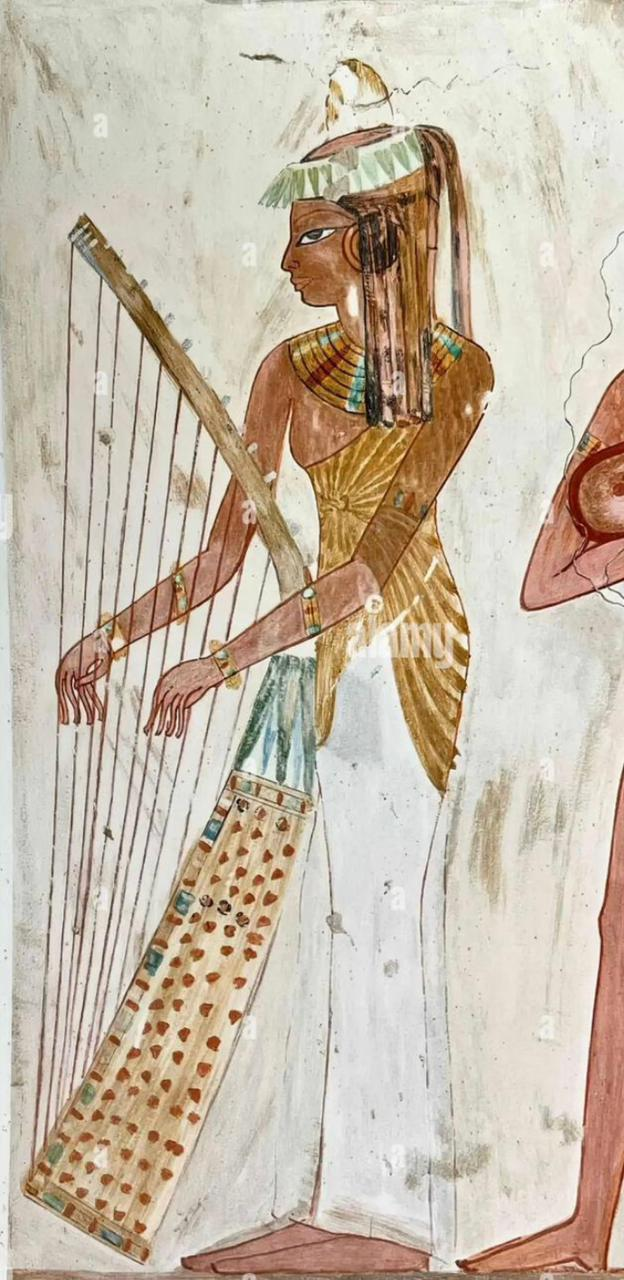
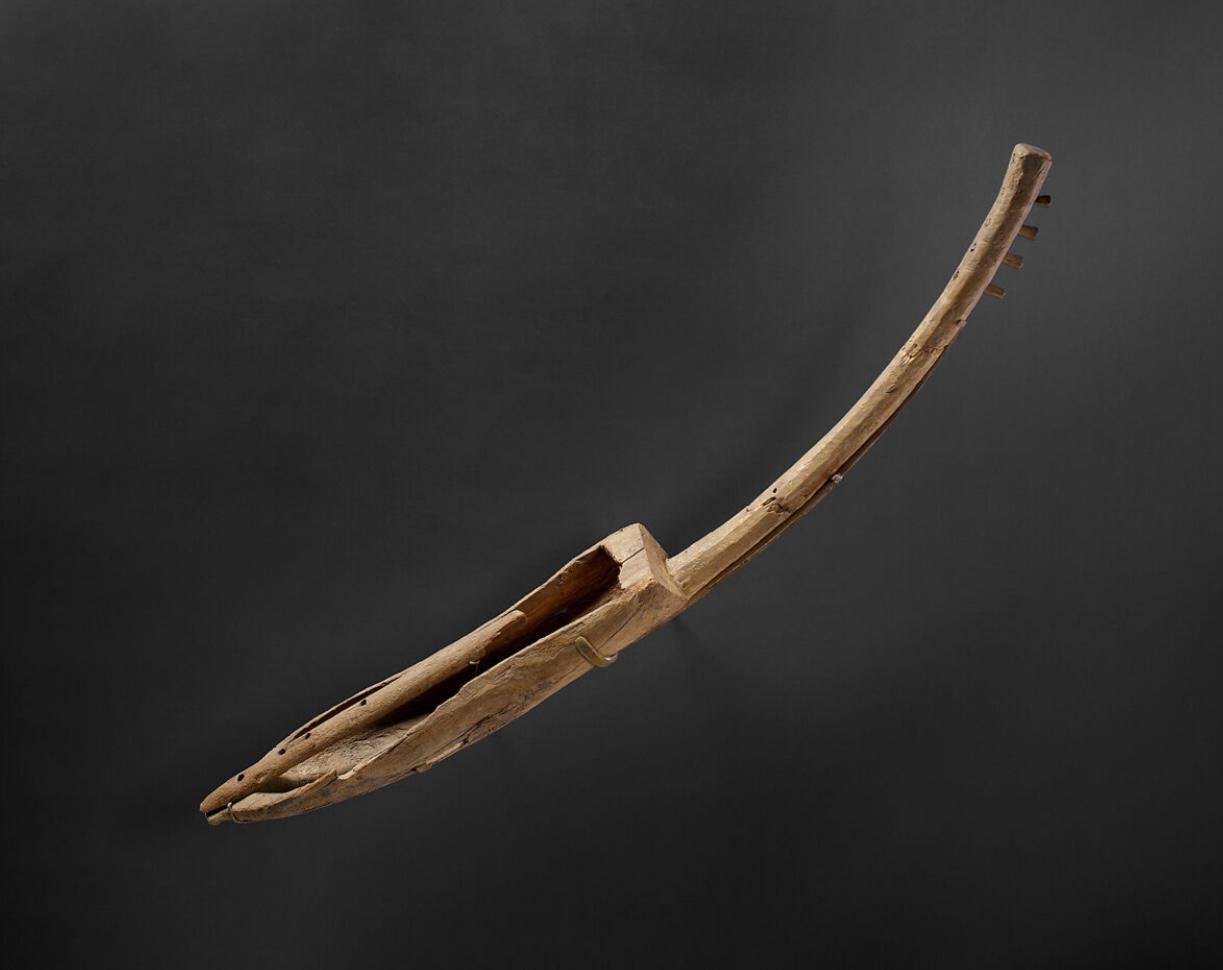
In ancient Egypt, harps appear in tomb paintings dating back to around 2500 BCE. These early instruments were typically bow-shaped or arched, without the forepillar (the front support column) that characterizes later European harps. Egyptian harps varied widely in size, from small portable instruments to large standing harps taller than the musicians who played them.
The Harp in the Ancient Near East and Mediterranean
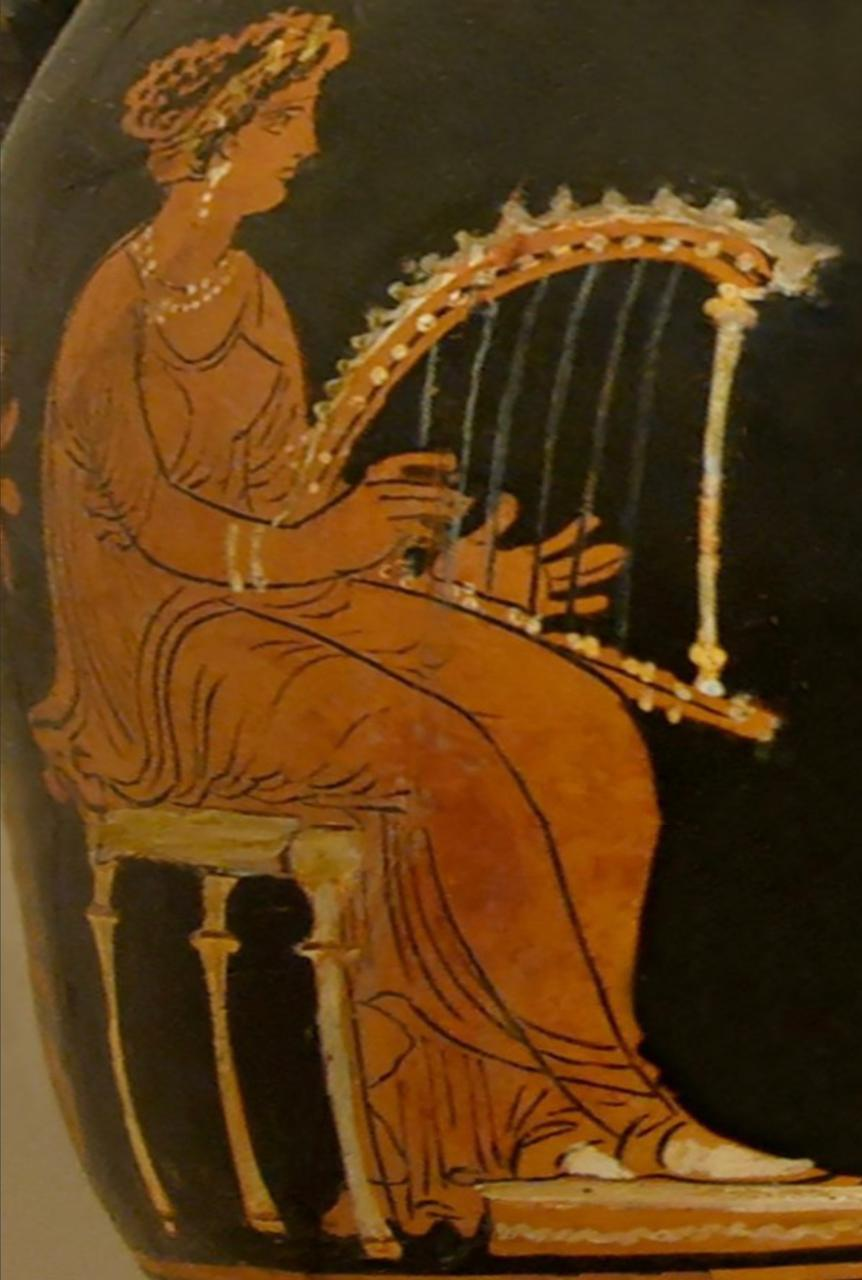
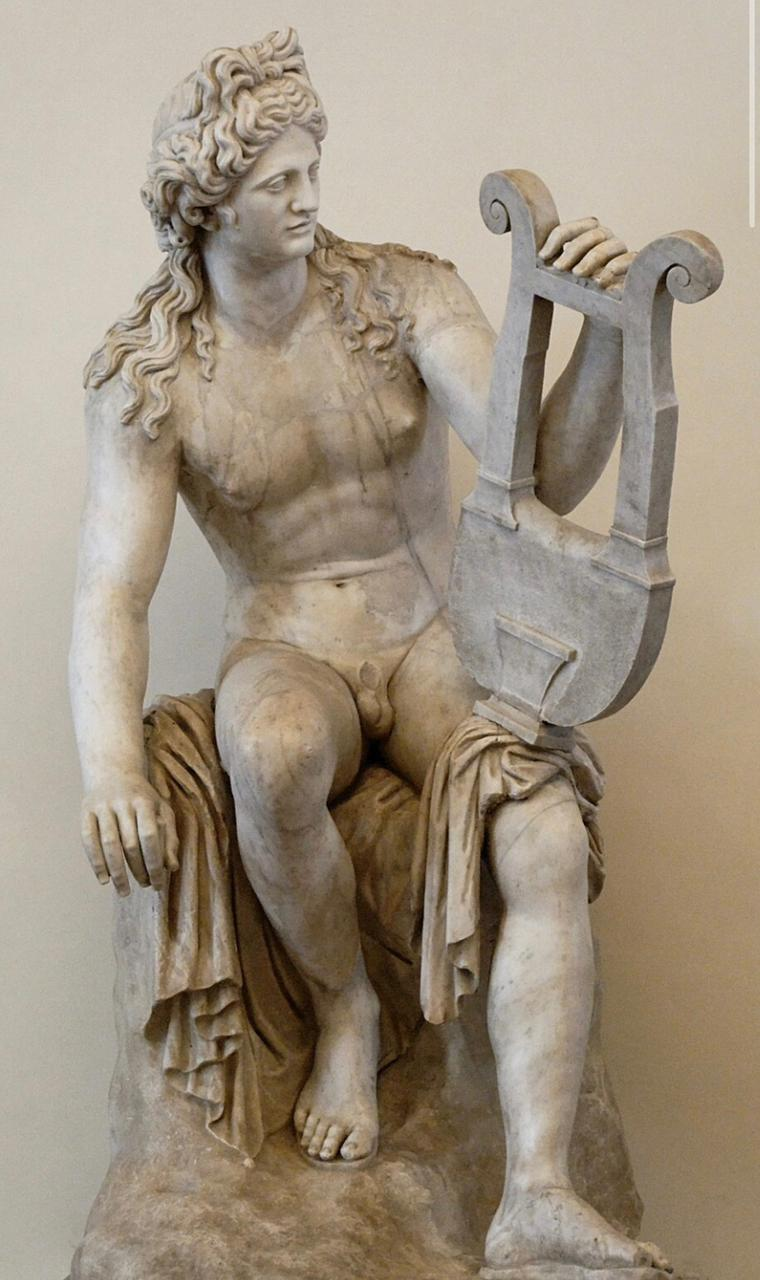
Harps and lyres held deep cultural and spiritual significance throughout the ancient Near East. In the Hebrew Bible, the "kinnor," often translated as "harp," is associated with King David, reinforcing the instrument's long-standing connection to devotion, poetry, and healing. Similar instruments appeared in ancient Greece and Rome, though the lyre — a related but distinct instrument — was more culturally dominant in classical antiquity.
Medieval Europe and the Rise of the Frame Harp
The harp as it is most commonly recognized today, with a triangular frame consisting of a soundbox, neck, and forepillar, emerged in medieval Europe between the 8th and 10th centuries. This "frame harp" design, believed to have developed in the British Isles and Scandinavia, gave the instrument greater structural stability, allowing for higher string tension and richer tone.
Ireland and Scotland became particularly renowned for their harping traditions. The Celtic harp, or "clàrsach," became a powerful cultural and political symbol — so much so that the harp remains the national emblem of Ireland to this day. Harpers held esteemed positions in medieval Gaelic society, often serving as court musicians and oral historians whose music preserved genealogies, legends, and praise poetry.
The Renaissance and Baroque Periods
By the Renaissance, harps had spread throughout continental Europe, evolving in design to accommodate more complex music. Diatonic harps of this era could only easily play in a single key, limiting their versatility compared to keyboard instruments. To address this, various regional solutions emerged, including double and triple-strung harps in Spain and Wales that offered chromatic notes through additional rows of strings.
The Birth of the Modern Pedal Harp
The most significant transformation in harp history came in the 18th century with the invention of the pedal mechanism. Around 1720, Jacob Hochbrucker of Bavaria developed an early pedal system that allowed players to change the pitch of strings using foot pedals, enabling smoother transitions between keys.
The true breakthrough, however, came in 1810 when French instrument maker Sébastien Érard patented the "double-action pedal harp." This ingenious mechanism used seven pedals, each with two notches, allowing every string to be raised by either a semitone or a full tone. This innovation gave the harp full chromatic range and cemented the design that remains the standard concert harp used by orchestras worldwide today.
The Harp in the Romantic and Modern Eras
With Érard's double-action mechanism, the harp found a permanent place in the symphony orchestra. Composers such as Hector Berlioz, Claude Debussy, and Maurice Ravel wrote landmark works featuring the instrument, exploiting its shimmering glissandi and ethereal tone color. The 19th and 20th centuries also saw a folk revival of smaller lever harps, particularly in Celtic music traditions, alongside the continued prominence of the grand concert pedal harp in classical performance.
The Harp Today
Today, the harp exists in remarkable diversity: from small lap harps and folk lever harps to towering concert pedal harps with nearly 50 strings. It remains a fixture of orchestras, a beloved instrument in folk and Celtic music, and increasingly a presence in jazz, pop, and experimental music. Across more than five millennia, the harp has retained something essential — the simple, profound relationship between a plucked string and the human ear, connecting ancient Mesopotamian temples to modern concert halls.
The Therapeutic Use of the Harp
An Ancient Idea Rediscovered
Long before "music therapy" existed as a clinical discipline, the harp was already associated with healing. In the Hebrew Bible, young David is said to have played the harp to soothe King Saul's troubled spirit — one of the earliest recorded accounts of music used deliberately to calm psychological distress. Ancient Greek and Egyptian traditions similarly linked the harp's tones to balance, rest, and the easing of pain. This intuitive connection between plucked strings and calm has persisted across cultures for thousands of years, and in the last few decades it has been formalized into evidence-informed clinical and therapeutic practice.
Why the Harp Lends Itself to Therapy
Several acoustic and physical properties make the harp particularly well suited to therapeutic settings:
- Resonance and vibration. The harp produces a wide range of overtones and sustained vibrations that can be felt as well as heard, especially when the instrument is placed close to or against the body.
- Wide pitch range. A single harp can move fluidly from very low to very high registers, allowing a practitioner to match or gently shift a listener's physiological or emotional state, a technique often called "entrainment."
- Non-percussive attack. Unlike a piano or guitar, a plucked harp string has a soft onset and long decay, producing a gentle, non-jarring sound often described as "washing" over the listener.
- Visual and tactile accessibility. The open string design allows both a practitioner and, in some approaches, a patient to see and even touch the strings, which can support relaxation, sensory engagement, or hands-on participation.
Clinical and Therapeutic Applications
Palliative and Hospice Care
One of the most established uses of the harp is in end-of-life and palliative care, sometimes called "therapeutic harp" or "harp therapy" as distinct from formal music therapy. Certified practitioners play bedside for patients experiencing pain, anxiety, or disrupted sleep. Research in this area has associated live harp music with reduced heart rate, lowered blood pressure, and self-reported decreases in pain and anxiety among hospitalized and hospice patients.
Neonatal and Pediatric Settings
Harp music, often played live at low volume, is used in some neonatal intensive care units to support premature infants. Reported benefits include more stable heart and respiration rates and improved oxygen saturation, alongside reduced stress indicators in parents present in the unit.
Mental Health and Emotional Regulation
Because of its resonant, sustained tones, the harp is sometimes incorporated into relaxation-based interventions for anxiety, and into approaches that use rhythm and vibration to support grounding and nervous system regulation. Some music therapists use small lap harps directly with clients, allowing them to pluck strings themselves as a form of active, low-barrier musical expression that requires no prior training.
Neurological Rehabilitation
The physical act of plucking strings — requiring fine motor coordination, bilateral hand use, and rhythmic timing — has led some occupational and music therapists to use small harps in rehabilitation for stroke survivors or individuals with motor impairments, combining a musical and a motor-training goal within the same activity.
Dementia and Elder Care
In care settings for older adults, including those with dementia, live harp performance is used to reduce agitation and support moments of orientation and connection, often drawing on long-term musical memory that can remain accessible even when other memory has declined.
Therapeutic Harp vs. Music Therapy
It is worth distinguishing two related but separate practices. "Therapeutic harp" (or "harp therapy") typically refers to prescriptive, bedside live music offered by practitioners certified through specific harp-therapy training programs, most often in medical and palliative settings, focused on physiological comfort rather than psychological processing. Formal "music therapy," delivered by credentialed music therapists, is a broader clinical discipline that may use the harp alongside many other instruments as part of structured, goal-directed interventions targeting emotional, cognitive, social, or developmental outcomes.
A Note on the Evidence
While the therapeutic use of the harp has strong observational and anecdotal support, and a growing body of small clinical studies, particularly in palliative and neonatal care, the overall evidence base is still developing. Many studies are limited by small sample sizes, making the harp's specific effects an active area of ongoing research rather than a fully established, standardized treatment.
Conclusion
From ancient courts to modern hospital wards, the harp has retained a distinctive therapeutic reputation rooted in its physical properties: warm resonance, wide tonal range, and a gentle, sustained sound. Today it occupies a small but meaningful niche at the intersection of music, medicine, and psychological care — a modern continuation of one of humanity's oldest intuitions about the healing power of sound.
Μια Παρουσία Διαφορετική από Κάθε Άλλη
Ανάμεσα σε όλα τα μουσικά όργανα, η άρπα κατέχει μια εντελώς ξεχωριστή θέση. Δεν είναι απλώς ένα ακόμα έγχορδο· είναι ένα όργανο που συνδυάζει μοναδικά χαρακτηριστικά ως προς τον τρόπο κατασκευής, την ηχητική του υφή, τον τρόπο παιξίματος και τη συμβολική του βαρύτητα, στοιχεία που μαζί το κάνουν αδύνατο να συγκριθεί απευθείας με οποιοδήποτε άλλο όργανο.
Ένα Μοναδικό Σχήμα και Μηχανισμός
Η άρπα ξεχωρίζει ήδη οπτικά: το τριγωνικό της πλαίσιο, με τις χορδές να απλώνονται κάθετα από το κιβώτιο ηχείου μέχρι τον λαιμό, δεν μοιάζει με κανένα άλλο έγχορδο όργανο. Ενώ στα περισσότερα έγχορδα οι χορδές βρίσκονται παράλληλα στο σώμα του οργάνου, στην άρπα κάθε χορδή είναι ξεχωριστά προσβάσιμη και ξεχωριστά συντονισμένη, επιτρέποντας στον μουσικό να παίζει και με τα δύο χέρια ταυτόχρονα σε διαφορετικά σημεία του ηχητικού φάσματος.
Η σύγχρονη συναυλιακή άρπα προσθέτει ένα ακόμα επίπεδο πολυπλοκότητας: το σύστημα των επτά πεντάλ, που εφευρέθηκε από τον Sébastien Érard το 1810, επιτρέπει σε κάθε χορδή να αλλάζει τόνο κατά ημιτόνιο ή τόνο, δίνοντας στην άρπα πλήρη χρωματική έκταση. Αυτός ο μηχανισμός είναι μοναδικός στον κόσμο των μουσικών οργάνων, καθώς κανένα άλλο έγχορδο δεν χρησιμοποιεί ποδικό μηχανισμό με τέτοια πολυπλοκότητα και ακρίβεια.
Μια Ιδιαίτερα Ξεχωριστή Ηχητική Ταυτότητα
Ο ήχος της άρπας έχει μια ιδιαίτερη ποιότητα: απαλή έναρξη, μακρά απόσβεση, πλούσιες αρμονικές. Όταν μια χορδή παίζεται, δεν ακούγεται απότομα όπως σε ένα πιάνο, ο ήχος «ανθίζει» και σβήνει σταδιακά, δημιουργώντας εκείνο το χαρακτηριστικό, σχεδόν αιθέριο τοπίο ήχου που συνδέεται τόσο στενά με την άρπα.
Το glissando, το γρήγορο πέρασμα του χεριού πάνω από πολλές χορδές, είναι μια τεχνική σχεδόν αποκλειστική της άρπας, δημιουργώντας εκείνο το αναγνωρίσιμο «κύμα» ήχου που κανένα άλλο όργανο δεν μπορεί να αναπαράγει με την ίδια φυσικότητα.
Ένα Όργανο με Διπλή Ζωή
Λίγα όργανα κινούνται τόσο άνετα ανάμεσα σε τόσο διαφορετικούς κόσμους όσο η άρπα. Από τη μία, υπάρχει η μεγαλειώδης συναυλιακή άρπα με τα σχεδόν 47 χορδές, βασικό μέλος της συμφωνικής ορχήστρας. Από την άλλη, υπάρχουν οι μικρότερες, φορητές κελτικές ή λαϊκές άρπες με μοχλούς αντί για πεντάλ, βαθιά ριζωμένες σε παραδόσεις της Ιρλανδίας, της Σκωτίας, της Ουαλίας και αλλού. Λίγα όργανα διαθέτουν τόσο ισχυρή παρουσία και στη λαϊκή και στην κλασική μουσική παράδοση ταυτόχρονα, διατηρώντας τη δική τους ταυτότητα και στα δύο περιβάλλοντα.
Μοναδική Σχέση με το Σώμα και τον Ήχο
Τέλος, η άρπα ξεχωρίζει και ως προς τη φυσική εμπειρία του παιξίματος: ο μουσικός αγκαλιάζει κυριολεκτικά το όργανο, νιώθοντας τους κραδασμούς των χορδών να περνούν μέσα από το σώμα του κιβωτίου κατευθείαν στο στήθος και τα χέρια του. Αυτή η άμεση, σωματική σχέση ανάμεσα σε μουσικό και όργανο είναι ένας από τους λόγους που η άρπα χρησιμοποιείται τόσο συχνά και σε θεραπευτικά και χαλαρωτικά πλαίσια: ο ήχος δεν ακούγεται μόνο, αλλά και βιώνεται σωματικά.
Ανάμεσα σε χιλιάδες μουσικά όργανα που έχει δημιουργήσει η ανθρωπότητα, η άρπα παραμένει απαράμιλλη: μοναδική στο σχήμα της, μοναδική στον μηχανισμό των πεντάλ της, μοναδική στην ηχητική της υφή. Είναι ένα όργανο που, παρά την αρχαιότητά του, συνεχίζει να κατέχει μια ξεχωριστή, αναντικατάστατη θέση στον κόσμο της μουσικής.